
Complete Guide: How to Start a Business in the UK in 2026
Thinking about how to start a business in the UK? You’re in the right place. In this complete guide, we’ll walk you through the essential steps to get your venture off the ground, from choosing the right business structure to registering your company and exploring funding options. Whether you're a sole trader or eyeing that limited company setup, we’ve got practical advice to help you navigate the ins and outs of UK entrepreneurship in 2026. Let’s get sorted!
Understanding the Business Landscape in the UK
The UK business landscape in 2026 is shaped by a mix of economic shifts, technological advancements, and evolving consumer expectations. Understanding these dynamics is crucial for anyone considering how to start a business in the UK.
Current Economic Trends Affecting Startups
Inflation rates have been fluctuating, which directly affects consumer spending power. Many startups are facing increased costs for raw materials and labor. This creates a challenging environment where businesses must balance pricing strategies with maintaining customer loyalty. For instance, a small bakery may need to decide whether to absorb rising flour costs or pass them on to customers, which could impact sales.
Key Industries for New Businesses in 2026
Certain sectors are witnessing growth that can be leveraged by new entrepreneurs. Tech-driven industries such as e-commerce, health tech, and green energy are expanding rapidly. The demand for sustainable products is notably on the rise; businesses that focus on eco-friendly practices often find favor with consumers who are increasingly environmentally conscious. For example, a startup that creates biodegradable packaging solutions could tap into this market effectively.
Impact of Government Policies on Entrepreneurship
Government initiatives aimed at supporting startups can provide significant advantages. Programs offering grants and loans for new businesses have become more accessible, especially for those focusing on innovation or sustainability. However, navigating these policies can be complex; entrepreneurs need to stay informed about eligibility criteria and application processes. A common misconception is that these funds come without strings attached; many require detailed reporting on how the money will be used.
- Understand economic conditions: Monitor inflation and consumer trends.
- Focus on growth industries: E-commerce and sustainability are key sectors.
- Leverage government support: Research available grants and funding opportunities.
Choosing the Right Business Structure
Selecting the appropriate business structure is a critical decision when starting a business in the UK. Your choice impacts everything from tax obligations to personal liability and can affect how you raise funds and manage operations.
Sole Trader vs Limited Company vs Partnership
The three main structures are sole trader, limited company, and partnership. A sole trader is straightforward; you run everything as an individual and keep all profits, but you're personally liable for any debts. Limited companies offer liability protection, meaning your personal assets are safe if things go south. Partnerships involve two or more people sharing profits and responsibilities but can complicate decision-making.
Advantages and Disadvantages of Each Structure
Sole traders benefit from simplicity and lower startup costs but face unlimited liability. Limited companies have credibility with clients and investors but come with higher regulatory burdens and costs. Partnerships can pool resources but may lead to conflicts if partners disagree on key issues.
- Sole Trader: Easy setup, full control, high personal risk.
- Limited Company: Liability protection, tax benefits, complex setup.
- Partnership: Shared resources, potential for conflict, joint liability.
Choosing the wrong structure can cost you money—both in taxes and legal liabilities.
Deciding which structure fits best hinges on your individual circumstances. For instance, a freelance graphic designer might choose to be a sole trader for its simplicity. In contrast, a tech startup seeking investment would likely benefit from forming a limited company to attract investors without risking personal assets.
Many entrepreneurs underestimate the long-term implications of their initial choice of business structure. For example, transitioning from a sole trader to a limited company later is possible but can be cumbersome and costly.
Registering Your Business
When you're figuring out how to start a business in the UK, registering your business is a non-negotiable step. This process not only legitimizes your venture but also impacts your tax obligations and personal liability. Depending on whether you choose to operate as a sole trader or set up a limited company, the registration process will differ significantly.
Step-by-step Process for Registering as a Sole Trader or Limited Company
For sole traders, registration is relatively straightforward. You need to inform HM Revenue and Customs (HMRC) that you are self-employed; this can be done online or via paper forms. On the other hand, registering as a limited company involves several more steps: you'll need to choose a company name, appoint directors and shareholders, register with Companies House, and create an official memorandum and articles of association.
- Sole Trader: Register with HMRC online.
- Limited Company: Register with Companies House online.
- Choose a unique business name.
- Prepare necessary documentation (articles of association for limited companies).
Necessary Documentation Required
Documentation varies by structure. As a sole trader, you primarily need your National Insurance number and bank details for tax purposes. However, if you're registering as a limited company, you'll require more comprehensive documents such as proof of identity for directors and shareholders, registered office address details, and the aforementioned memorandum and articles of association.
Cost-wise, expect minimal fees for sole traders—typically just the time spent on registration. Limited companies come with their own costs including registration fees which can range from £12 to £100 depending on the method used (online vs paper). Additional costs may arise if you engage an accountant or legal advisor to assist with setup.
Don’t underestimate the importance of keeping your business records organized; failing to do so can lead to costly mistakes come tax time.
Consider this practical example: A tech startup decided to register as a limited company because they anticipated needing investment down the line. They prepared all documents meticulously but overlooked some minor compliance details which delayed their registration by weeks. This not only cost them time but also potential investors who were waiting on their formal launch.
In practice, many entrepreneurs fail to recognize how critical proper registration is—not just from a legal standpoint but also in establishing credibility with clients and suppliers. A registered business appears more professional compared to one that operates under informal arrangements.
Ultimately, understanding these steps thoroughly will help streamline your entry into entrepreneurship in the UK. Make sure you're well-prepared before diving into registration; it pays off in avoiding headaches down the road.
Funding Your Startup
Securing funding is often the make-or-break step for new businesses in the UK. Without adequate capital, even the best business ideas can falter. It's essential to understand the range of funding options available and how to effectively leverage them.
Overview of UK Start Up Loans and Eligibility Criteria
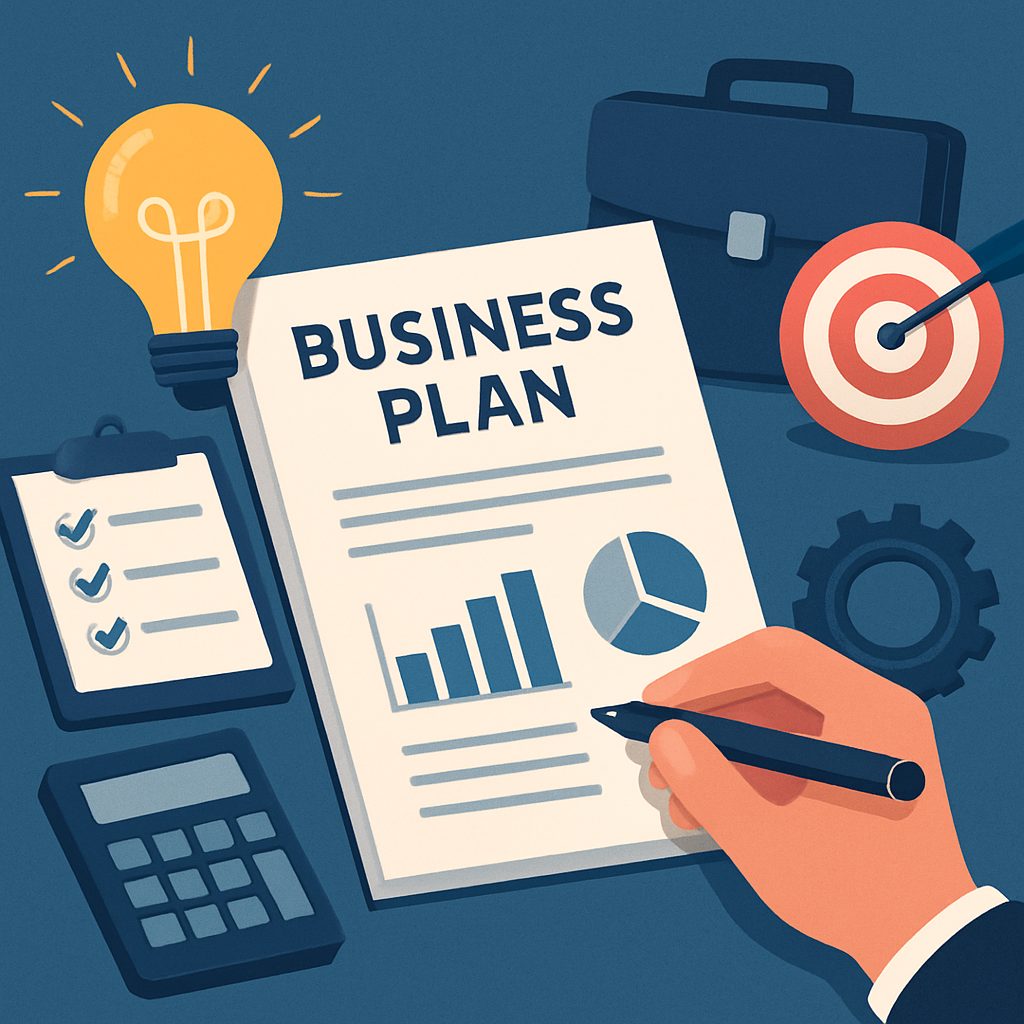
UK Start Up Loans are a government-backed initiative aimed at helping new businesses get off the ground. These loans provide up to £25,000 at a fixed interest rate of 6%. Eligibility typically requires you to be over 18, have a viable business idea, and demonstrate that you can repay the loan. The process involves submitting a detailed business plan, which is crucial not just for securing funds but also for guiding your operations.
A solid business plan is often the key to unlocking funding opportunities.
However, many entrepreneurs underestimate the importance of this document. It needs to clearly outline your market analysis, revenue projections, and operational strategies. For instance, a startup focusing on eco-friendly products might need to justify their pricing model against traditional alternatives to show potential investors their unique value proposition.
Exploring Local Grants Available for Entrepreneurs
Grants might sound appealing because they don’t require repayment, but they come with strings attached. Local councils and government bodies offer various grants aimed at fostering innovation and supporting small businesses. Each grant has specific eligibility criteria and application processes that can be quite competitive.
- Research local grant opportunities specific to your industry.
- Prepare detailed applications that highlight your business's impact.
- Be prepared for rejection; not every application will succeed.
Many entrepreneurs mistakenly believe that grants are easy money. In reality, they require substantial effort in terms of research and writing applications. A common pitfall is applying for multiple grants without tailoring each application—this reduces your chances of success significantly.
Using Personal Savings Effectively
Using personal savings can seem like a straightforward solution but comes with risks. It’s about finding the balance between investing enough to get started without jeopardizing your financial security. If you’re considering this route, it’s wise to set aside an emergency fund that covers personal expenses for several months.
Take Sarah's case—a freelance web designer who used her savings to kickstart her business. She meticulously calculated her initial expenses, ensuring she had enough left over for living costs during her startup phase. This planning allowed her to focus on building her client base without immediate financial pressure.
In practice, many entrepreneurs rush into using personal savings without fully understanding their cash flow needs or potential pitfalls—this leads to unnecessary stress down the line.
As you explore these funding avenues, keep in mind that each option has its own implications on how you run your business and manage finances moving forward. Make informed decisions based on thorough research and realistic projections.




One Response